Skills That Support Production Careers
Manufacturing Workforce Development in East Alabama for workers preparing to enter technical production roles
Sylacauga's manufacturing history runs through facilities like the former Avondale Mills site, and that industrial foundation still shapes the region's workforce needs today. East Alabama Rural Innovation & Training Hub provides Manufacturing Workforce Development that addresses the skills required in modern production environments, including equipment operation, safety protocols, and problem-solving on the production floor. This training connects participants to technical occupations that remain central to the area's economy.
The program focuses on practical technical learning that prepares you for work in manufacturing settings. You develop hands-on capabilities with production equipment, learn safety standards that protect workers and maintain operational continuity, and build the troubleshooting skills needed when processes don't run as expected. This preparation addresses what manufacturers look for when hiring entry-level and mid-level production workers.
Schedule a discussion with the program team to review current training offerings and how they align with your career goals.
What Proper Manufacturing Training Requires
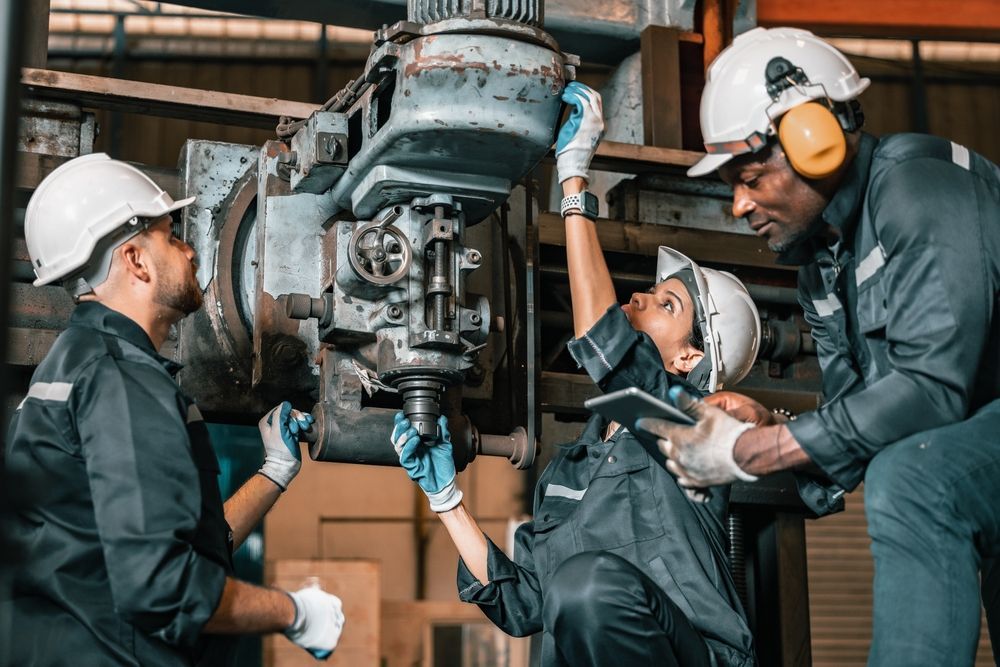
Manufacturing training worth your time includes exposure to real production environments where you handle the equipment, follow the processes, and make the decisions that define quality work. You learn not just what to do, but why certain steps matter for output consistency, waste reduction, and workplace safety. The training should mirror the conditions you'll face in an actual manufacturing role, from reading technical documentation to responding when a machine signals a fault.
After completing the program, you'll notice that production terminology makes sense, equipment no longer feels intimidating, and you understand how individual tasks fit into a larger manufacturing system. East Alabama Rural Innovation & Training Hub structures the training so that participants gain confidence operating machinery, following standard operating procedures, and communicating effectively with supervisors and team members. These are the capabilities that help you move from observation to active participation in a production setting.
The program also connects with EARTH's related education, technology, transportation, and entrepreneurship initiatives, creating pathways for participants who want to continue building skills or exploring adjacent career options. Manufacturing training can serve as a foundation for roles in logistics, quality control, maintenance, or even starting a production-related business.
Questions Before Starting Your Training
Participants often ask about the program before enrolling, especially when considering how it fits their current situation and future plans.
What types of manufacturing skills does the program cover?
The curriculum includes practical technical skills relevant to production work, such as equipment operation, safety compliance, and process troubleshooting, with specific offerings based on current program structure and industry partnerships in the East Alabama region.
How does the training prepare you for actual production environments?
You work in settings that replicate the conditions, equipment, and decision points found in manufacturing facilities, so the transition from training to employment involves applying familiar skills rather than learning an entirely new set of processes.
When should you enroll if you're currently employed in another field?
Many participants begin training while still working in other industries, using the program to build capabilities before making a career transition, though you'll want to confirm scheduling options that fit your availability.
What safety standards are included in the training?
Manufacturing safety covers hazard recognition, protective equipment use, lockout-tagout procedures for machinery, and emergency response protocols, all of which are non-negotiable in production settings where equipment and materials create real risks.
How does manufacturing training connect with other EARTH programs?
Participants can explore related pathways in technology, alternative energy systems, or entrepreneurship, especially if you're interested in roles that combine production knowledge with business development or technical innovation.
East Alabama Rural Innovation & Training Hub invites prospective participants, manufacturers, and workforce partners to contact the program team and discuss how current offerings align with your needs. Reach the team at (256) 245-4343 to explore available training and start building the skills that manufacturing employers require.